
HOW TO MAKE A HEAT PUMP MORE EFFICIENT IN WINTER
-

Choosing the right heat pump settings for winter helps your system heat your home efficiently without relying too heavily on auxiliary heat. For most Central Ohio homes, the best winter setup is simple: use Heat mode, keep the thermostat near 68°F when you’re home, avoid large temperature swings, and let the system maintain steady comfort.
Heat pumps work differently from furnaces. Instead of creating heat through combustion, they move heat from one place to another. That makes consistent settings especially important during cold weather. The tips below explain how to set your thermostat, fan, timer, and backup heat so your heat pump can run efficiently.
1. ADJUST THE THERMOSTAT AND KEEP TEMPS CONSISTENT
Your heat pump is designed to provide even, consistent heat at a slower rate than traditional furnaces. Frequent adjustments, such as raising the temperature more than two to three degrees, can engage costly auxiliary heating like electric heat strips, which consume significantly more energy.
For optimal efficiency, set your thermostat to around 68°F while you're home and awake, and only lower it by a degree or two at night or when away. This approach balances comfort and energy savings, reducing overall heating costs.
How to Adjust Heat Pump Settings in Winter
Follow these steps when you adjust your heat pump settings:
Set the system to Heat mode.
Avoid Auto mode during winter because it may switch between heating and cooling when indoor temperatures fluctuate.Choose a steady temperature.
Start around 68°F when you’re home and awake. Adjust by one degree at a time until you find a comfortable setting.Limit nighttime or away setbacks.
Lower the temperature by only one or two degrees. Large setbacks can trigger auxiliary heat, which costs more to run.Use a gradual schedule.
If your thermostat has a schedule or timer, program it to warm the home slowly before you wake up or return home.Watch for AUX or Emergency Heat.
Auxiliary heat may turn on briefly in very cold weather, but frequent use can point to a settings issue, airflow restriction, or repair need. Do not switch to Emergency Heat unless your heat pump has stopped working or a technician tells you to use it.Check fan settings.
For many ducted systems, Auto fan mode works well because the fan runs during heating cycles. For ductless or variable-speed systems, a higher fan speed may help distribute warm air more evenly.Recheck comfort after a full day.
Give your system time to stabilize before making another adjustment. Heat pumps heat gradually, so repeated changes can reduce efficiency.
2. UPGRADE YOUR THERMOSTAT
Use a thermostat designed for heat pumps. The right thermostat helps control auxiliary heat, supports gradual recovery, and helps your system reach the set temperature without unnecessary strain.
For added convenience, choose a thermostat that can also work with comfort accessories, such as a whole-home humidifier. That way, you can manage more of your home comfort from one control.
3. KNOW WHEN TO USE THE TIMER
Using the timer feature on your heat pump’s thermostat can help manage energy use, but it’s important to know when it’s effective and when it’s not. Here’s a quick guide:
When to Use the Timer:
To maintain a consistent temperature during specific times, such as when you're at work or sleeping.
To gradually warm your home before you wake up or return, avoiding sudden temperature spikes.
When Not to Use the Timer:
Avoid frequent or drastic temperature changes, as they can activate auxiliary heating and increase costs.
Do not turn the system off entirely during winter; restarting it can use more energy to regain warmth.
A properly used timer ensures your heat pump operates efficiently while keeping your home comfortable.
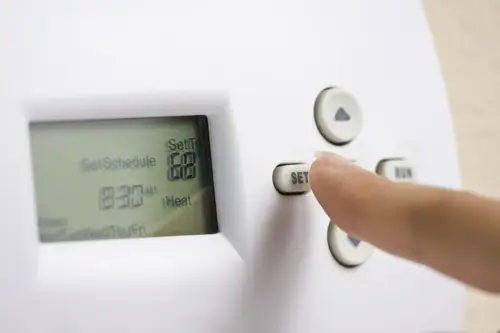
4. OPT FOR A LOWER TEMPERATURE SETTING
Setting your heat pump to a lower temperature can significantly improve efficiency during winter. Aim for a thermostat setting around 68°F while you’re home and awake. This temperature strikes a balance between comfort and energy savings.
Avoid drastic changes or setting it too low, as your system may need more energy to reheat your home. For times when you’re away or sleeping, lower the temperature slightly but keep it within a few degrees to prevent auxiliary heat from activating.
5. AVOID RUNNING IT ALL DAY UNNECESSARILY
Heat pumps operate most efficiently when outdoor temperatures are above 25–30°F. Below this range, their efficiency drops significantly, and they may rely on auxiliary heating, which is more expensive to run.
To save energy, avoid running your heat pump all day during extreme cold. Instead, set it to a lower, consistent temperature and let it maintain that level. This approach is key to making a heat pump more efficient without driving up costs.
6. USE A HIGHER FAN SPEED
Using a higher fan speed on your heat pump can improve efficiency by circulating warm air more effectively throughout your home. This setting works best in milder winter conditions, as it helps distribute heat evenly without overburdening the system.
However, a lower fan speed may prevent drafts and ensure consistent warmth during extremely cold days. Adjusting fan speed strategically is another smart approach to how to make a heat pump more efficient in winter.
7. DIRECT THE AIRFLOW
Properly directing the airflow from your heat pump can significantly affect heating efficiency. Ensure vents and registers are clear of obstructions like furniture or curtains to allow warm air to circulate freely.
Aim for the airflow to go downward in rooms with adjustable vents to help distribute heat evenly at the floor level. Small steps to optimize airflow can reduce strain on your heat pump and create a more comfortable living space.
8. REGULARLY CHANGE THE FILTER
A clean filter is essential for your heat pump to run efficiently, especially in winter. Dirty filters restrict airflow, forcing the system to work harder and reducing efficiency. Regularly changing the filter improves energy savings and enhances indoor air quality by removing dust and allergens.
For comprehensive care, schedule a professional maintenance service with Columbus Worthington Air by calling 614-405-7819 and ensure your heat pump performs at its best.
9. ENSURE PROPER HOME INSULATION
Good insulation is vital for maintaining heat pump efficiency in winter. Poorly insulated walls, windows, or doors allow warm air to escape, forcing your system to work harder and use more energy. Check for drafts and seal gaps with weatherstripping or caulking.
Consider upgrading the attic or wall insulation if needed. A well-insulated home keeps the warmth inside, reduces energy waste, and ensures your heat pump operates effectively, even during the coldest months.
10. AVOID AUTO MODE
Using the "Auto" mode on your heat pump can reduce efficiency during winter. This setting automatically switches between heating and cooling, which can lead to unnecessary energy use and frequent cycling.
Instead, set your heat pump to "Heat" mode to ensure consistent performance and avoid activating cooling functions. Small adjustments like this are a smart way to learn how to make a heat pump more efficient in winter.
11. DON’T OVERUSE DEFROST MODE
Your heat pump uses defrost mode to clear ice from the outdoor unit. This normal cycle protects performance during cold, damp weather.
However, heavy ice buildup, frequent defrost cycles, or a unit that stays frozen may signal a problem. Clear snow, leaves, and debris from around the outdoor unit. Then call for service if the ice keeps returning.
Heat Pump vs. Furnace Efficiency in Winter
Winter Heating Factor | Heat Pump | Furnace |
|---|---|---|
How it heats | Moves heat from outdoors into the home | Creates heat by burning fuel or using electric resistance |
Efficiency potential | Often highly efficient because it transfers heat instead of generating it | Efficiency depends on fuel type, equipment age, and AFUE rating |
Best use case | Moderate winter temperatures and homes with consistent thermostat settings | Very cold conditions or homes already designed around gas heating |
Temperature strategy | Works best with steady settings and small adjustments | Can handle larger setbacks more easily than a heat pump |
Backup heat considerations | May use auxiliary heat during very cold weather or big temperature changes | Does not use heat pump auxiliary heat |
Maintenance needs | Needs regular filter changes, airflow checks, coil cleaning, and refrigerant/system inspections | Needs burner, heat exchanger, ignition, venting, and airflow checks |
Comfort style | Produces steady, gradual heat | Often produces hotter supply air in shorter cycles |
Which is better for winter?
A heat pump can be very efficient in winter when you use the right settings and maintain the system. A furnace may feel warmer at the vents because it produces hotter air, but that does not always mean it uses less energy.
For many homeowners, the better option depends on the home’s insulation, ductwork, utility costs, equipment age, and winter comfort needs. If your heat pump struggles to keep up, a professional inspection can determine whether you need maintenance, repair, thermostat adjustments, or a system upgrade.
Keep Your Heat Pump Ready for Central Ohio Winter
The right heat pump settings can help your system run more efficiently, but winter comfort also depends on proper maintenance. If your heat pump runs constantly, blows cool air, uses AUX heat often, or struggles to keep your home warm, it may be time for service.
Columbus Worthington Air has served Central Ohio homeowners since 1936 with heat pump maintenance, repair, and replacement support.
Need heat pump maintenance or repair? Call Columbus Worthington Air at 614-405-7819 or schedule service online today.
