
WHAT HAPPENS DURING A PREVENTIVE HVAC MAINTENANCE INSPECTION?
-

An HVAC maintenance check gives your heating and cooling system a professional inspection, cleaning, and performance test before peak heating or cooling season. During the visit, a trained HVAC technician checks airflow, filters, electrical components, thermostat operation, refrigerant levels, safety controls, drain lines, motors, belts, coils, burners, and ventilation.
For Columbus homeowners, regular HVAC maintenance helps catch small issues early, improve comfort, protect system efficiency, and reduce the risk of surprise breakdowns during Ohio’s hottest and coldest months.
HEATING MAINTENANCE
Just before or during the heating season, a heating maintenance check includes an inspection and testing of your furnace or boiler.
During this visit, your HVAC technician will check and replace your furnace filter if necessary. He will inspect your heater’s exterior and ventilation system for signs of wear and perform any necessary repairs.
Next, the interior components of your furnace will be cleaned and inspected for signs of wear or damage. This includes the ignition assembly, blower, motors, and pressure switches. The power consumed by your furnace and its electrical components will be measured to check for unnecessary power usage.
Your home’s thermostat will also be checked, cleaned, and calibrated. Your technician turns on the furnace and monitors a full heating cycle. This allows them to confirm that each component starts, runs, and shuts down properly. Additionally, your HVAC technician will test for carbon monoxide leaks and ensure all ventilation and piping is clean. If you have a boiler, the controls, safeties, pump, low water cutoff, and sight glass will be checked.
COOLING MAINTENANCE
The lifespan of a central HVAC system is about 15-20 years. A maintenance check can help you maintain efficiency, and before or during the cooling season, it consists of a thorough examination of your home’s air conditioner to ensure it is in top condition.
Your technician will check both the indoor and outdoor components of your air conditioner, including all internal parts, motors, and belts. The air conditioner’s coolant levels will be measured, and lost coolant will be replaced if necessary. Your technician will check the circuits, safety controls, drain line, condensate pump, and all caps and valves as well.
Your technician inspects electrical components for wear, corrosion, or damage. If a part creates a safety or reliability concern, the technician can recommend replacement before it sparks, fails, or causes system damage.
Your thermostat will be inspected and cleaned or calibrated if necessary for more efficient cooling.
What Is Included in an HVAC Maintenance Check?
A professional HVAC maintenance check usually includes both a visual inspection and hands-on system testing. Your technician looks for worn parts, safety concerns, airflow restrictions, dirty components, drainage problems, and signs that the system may need repair.
Common HVAC inspection steps include:
Check and replace the air filter if needed
A clean filter helps protect airflow and keeps dust from building up inside the system.Inspect the thermostat
The technician confirms that the thermostat reads the temperature correctly and communicates with the heating or cooling equipment.Inspect electrical connections
Loose or worn electrical components can affect performance and create safety concerns.Clean and inspect indoor components
The technician checks the blower, motors, ignition assembly, coils, drain line, and other accessible parts.Inspect outdoor AC components
For cooling systems, the technician checks the condenser, refrigerant levels, fan motor, coils, valves, and overall unit condition.Test system operation
The technician runs the system to confirm that heating or cooling cycles start, operate, and shut down properly.Check safety controls and ventilation
For heating systems, this may include checking burners, pressure switches, flue piping, carbon monoxide risks, and proper venting.Review findings with the homeowner
At the end of the visit, the technician explains what they found, what they cleaned or adjusted, and whether any repairs are recommended.
Why Preventive HVAC Maintenance is Important
Regular HVAC preventative maintenance offers several key benefits:
Prolong System Life: Well-maintained HVAC systems last significantly longer than those with little to no upkeep.
Reduces Long-Term Costs: Improved system efficiency can lower energy bills, saving you money.
Enhances Indoor Air Quality: Clean filters and ducts reduce airborne particles, creating a healthier home environment.
Prevents Unexpected Breakdowns: Regular maintenance minimizes the risk of system failures, ensuring your home stays comfortable year-round.
By keeping up with HVAC preventative maintenance, you’re investing in the longevity, efficiency, and cleanliness of your home’s heating and cooling system.
How Frequently Should HVAC Be Inspected?
HVAC preventative maintenance is recommended at least twice a year—once in the spring and once in the fall. This ensures your system is prepared for the demands of the upcoming season, whether it’s keeping your home cool in the summer or warm in the winter.
Regular inspections also help catch minor issues before they become major problems, saving you from unexpected breakdowns and costly repairs. Investing in our Pro Service Plan is a cost-effective way to schedule regular maintenance and inspections. Additionally, our Pro Service plans include added benefits like savings on repairs and priority service.
What Happens If I Avoid HVAC Maintenance?
Neglecting HVAC preventative maintenance can lead to several issues that affect your comfort and wallet, including:
Increased Energy Bills: A poorly maintained system has to work harder to heat or cool your home, leading to higher energy consumption and increased utility costs.
Potential Equipment Failure: Small issues can escalate to major failures without regular maintenance, often requiring expensive repairs or complete system replacements.
Decreased Comfort Levels: A neglected HVAC system may struggle to maintain consistent temperatures, leading to uneven heating or cooling throughout your home.
Health Problems: Dirty air filters and ducts can circulate dust, allergens, and other pollutants, potentially worsening allergies or respiratory issues.
Unpleasant Odors: Mold, mildew, and other contaminants can build up in a neglected system, leading to musty or unpleasant smells circulating through your home.
Early Replacement Costs: Without regular care, your HVAC system’s lifespan can be significantly shortened, leading to the need for an earlier-than-expected replacement.
Reduced Warranty: Many HVAC manufacturers require regular maintenance as part of their warranty terms. Failing to keep up with maintenance could result in a voided warranty, leaving you to cover repair or replacement costs.
Step-by-Step Guide for Preparing for an HVAC Check
Preparation Step | What Homeowners Should Do | Why It Helps | Best Time to Do It |
|---|---|---|---|
1. Check or replace the air filter | Look at your current filter and replace it if it appears dirty. | Improves airflow and gives the technician a clearer view of system performance. | 1–3 days before service |
2. Clear space around HVAC equipment | Move boxes, furniture, leaves, weeds, or debris away from the furnace, air handler, and outdoor AC unit. | Gives the technician safe access to inspect, clean, and service the equipment. | Before the appointment |
3. Test your thermostat | Turn the system on and confirm that the thermostat responds correctly. | Helps identify temperature or control issues before the HVAC maintenance check. | The day before service |
4. Write down comfort concerns | Note rooms that feel too hot, too cold, humid, dusty, or drafty. | Helps the technician troubleshoot airflow, ductwork, or system performance problems. | Before the appointment |
5. Listen for unusual sounds | Pay attention to rattling, buzzing, grinding, clicking, or short cycling. | Gives the technician clues about worn parts, loose components, or electrical issues. | Any time before service |
6. Check vents and registers | Make sure supply and return vents are open and not blocked by furniture or rugs. | Supports accurate airflow testing during the HVAC check. | Before the technician arrives |
7. Secure pets and unlock access areas | Make sure the technician can reach the furnace, air handler, thermostat, electrical panel, and outdoor unit. | Saves time and helps the maintenance visit run smoothly. | Appointment day |
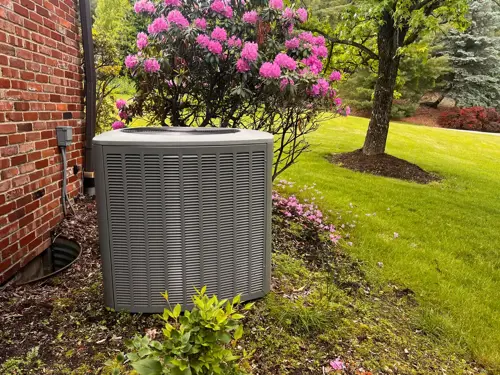
Preparing Your Home for Spring/Summer HVAC Maintenance
Before the warmer months arrive, preparing your home for spring/summer HVAC maintenance is important. Here’s how you can get started:
Check Your AC System: Before your technician arrives, check your AC system for a few minutes. Ensure the thermostat is functioning correctly, and listen for any unusual sounds. If you notice anything out of the ordinary, be sure to mention it to the technician.
Clean Your AC: A clean system runs more efficiently. Clear away any debris from the outdoor unit, ensuring the area is free from plants or other obstructions. You can also clean or replace the air filter to improve airflow and efficiency.
Understand the Lifespan of Your AC: AC lifespans vary based on factors like the model and how well they are maintained. Regular HVAC preventative maintenance can extend a unit’s lifespan, but if your system is nearing the end of its expected life, it may be time to consider a replacement. Your technician can review your options and help you determine if it may be time to upgrade.
Schedule Regular Maintenance: It’s recommended to have your AC inspected and serviced at least once a year, ideally before the cooling season begins, to ensure your system is ready to keep your home comfortable during the hottest months.
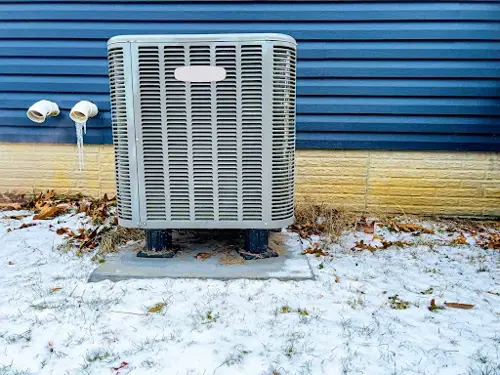
Preparing Your Home for Fall/Winter HVAC Maintenance
Preparing your home for fall/winter HVAC maintenance is essential as the colder months approach. Here’s a quick look at how to get started:
Schedule Regular Maintenance: We recommend having your heating system inspected and serviced annually, and it’s best to have these services performed before the colder season begins. Doing so will ensure your heating system is ready to keep your home warm and comfortable throughout the winter.
Check Your Heater: Before your technician arrives for an annual service, turn it on and ensure it produces warm air. Listen for any unusual sounds and check the thermostat for proper functioning. If you notice any issues, note them and inform your technician.
Clean Your Heater: A clean heating system will run more efficiently, so take the time to clear away any dust or debris from around the furnace or heat pump. Ensure nothing is blocking the airflow. Replacing or cleaning your air filter is also a good idea that can help improve your unit’s efficiency.
Know When to Upgrade: Heating systems, like furnaces and heat pumps, can last longer with proper maintenance. However, all systems eventually become outdated or sustain too much wear and tear to work properly. If your system is nearing the end of its expected lifespan or you experience frequent repairs, it might be time to consider a replacement.
Can I Perform HVAC Maintenance Myself?
While homeowners can perform some HVAC preventative maintenance tasks, it’s important to know when to call a professional. Here’s a breakdown of what you can handle on your own and when it’s best to contact Columbus Worthington Air for expert services.
HVAC Maintenance Inspection Checklist for Homeowners
For AC Units:
Replace or Clean the Air Filter: This should be done every 1-3 months, depending on usage and filter type. A clean filter improves airflow and efficiency.
Clean Debris from the Outdoor Unit: Keep leaves, dirt, and other debris away from the unit to ensure proper airflow.
Inspect the Evaporator and Condenser Coils: Gently clean the coils if they appear dirty, but avoid damaging them. If unsure, it’s best to leave this to a professional.
Check Thermostat Settings: Ensure your thermostat is set correctly and functioning properly.
For Heating Systems (Furnace/Heat Pumps):
Replace or Clean the Air Filter: Just like with AC units, this should be done regularly to keep your heating system running efficiently.
Inspect the Pilot Light or Ignitor: If your furnace uses a pilot light, make sure it’s lit and burning blue. If it’s out, consult your manual for relighting instructions or call Columbus Worthington Air for assistance.
Check Vents and Ducts: Ensure vents and ducts are clear of obstructions. Clean them if you notice a buildup of dust or debris.
Test the Thermostat: Ensure it’s working correctly and set your desired temperature.
When to Call a Professional:
Deep Cleaning: If your coils or ducts require more extensive cleaning, hiring a professional is best to avoid damaging your system.
Electrical Issues: A professional technician should handle any maintenance involving wiring or electrical components.
Refrigerant Levels: Low refrigerant can affect your AC’s performance and should only be checked and refilled by a professional.
Annual Inspections: Even with regular maintenance, it’s important to have your system inspected by a professional at least once a year to catch any potential issues early.
Is Preventive HVAC Maintenance Worth It?
You can keep the cost of heating and cooling your Columbus home lower than ever by maintaining regular inspections and tune-ups of your furnace and air conditioner. If you’d like to learn more about maintaining, cleaning, or repairing your air conditioner or furnace, please visit our Learning Center page.
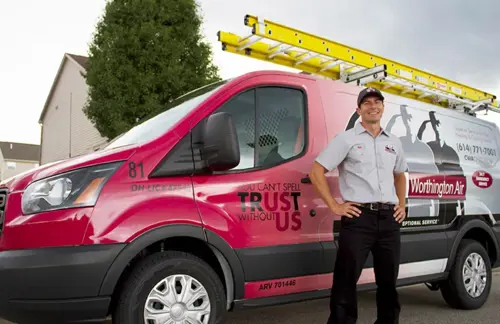
Schedule Your HVAC Maintenance Check
Regular HVAC maintenance helps keep your system efficient, reliable, and ready for Ohio’s changing seasons. If it has been a while since your last inspection, Columbus Worthington Air can help.
Schedule your HVAC maintenance today and keep your home comfortable year-round.